


Most testers say they test features.
Few realize they are testing the consequences of decisions.
That difference changes what you look at, when you speak, and how much risk you are willing to carry professionally.
Because every feature is built on choices.
Thresholds. Assumptions. Trade-offs. Risk tolerance.
If you only test behavior, you confirm execution.
If you test consequences, you surface exposure.
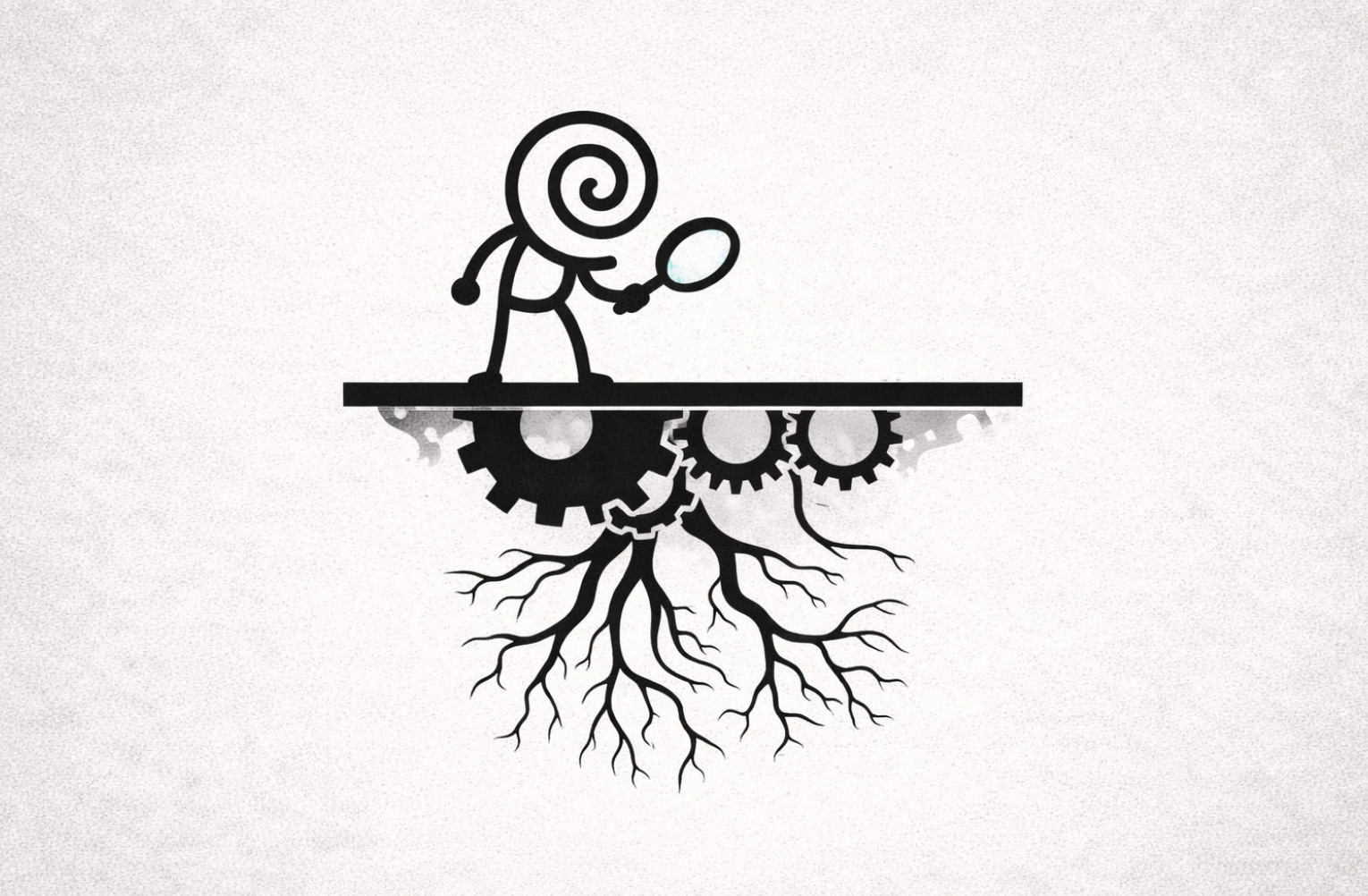
The Login That Worked Until It Didn’t
We had a login flow:
Username
Password
Six failed attempts allowed
Five minute lockout
Generic error message
Everything behaved correctly.
Tests passed.
Automation passed.
Release went live.
Two months later, thousands of accounts began locking.
Attackers were rotating IPs and spraying login attempts across accounts.
Six attempts per account meant nothing under distributed attack.
The lockout mechanism became a denial-of-service tool.
Users were blocked from their own accounts.
Support queues exploded.
Revenue dipped.
Nothing was broken.
The decision failed under real conditions.
That incident permanently changed how I test.
Feature Testing vs Decision Testing
Feature testing asks:
Does it lock after six attempts?
Does it unlock after five minutes?
Does the error display?
Decision testing asks:
What behavior does this threshold assume?
What breaks that assumption?
Who absorbs the cost if we’re wrong?
What new risk does the safeguard itself create?
This is not about judging intelligence.
It is about mapping consequences.
Sometimes a decision is careless.
Sometimes it is a trade-off.
Sometimes it reflects deadline pressure or conversion goals.
Testing reveals impact.
When Does a Decision “Fail”?
This is where thinking gets serious.
A decision does not fail because code misbehaves.
A decision “fails” when stakeholders decide its consequences are no longer acceptable.
That threshold is not technical.
It is economic.
It is political.
It is contextual.
For example:
If 2 percent of users locked out is acceptable friction, the system is fine.
If 8 percent locked out triggers churn, refunds, and reputational damage, the same system is now unacceptable.
There is no objective failure line.
There is stakeholder tolerance.
And that tolerance shifts.
Testing decisions means clarifying those tolerances before reality forces the issue.
Modeling Is Not a Ritual
You will hear advice like:
Identify assumptions
Consider worst cases
Estimate impact
These are not steps.
They are lenses.
You use them when risk justifies depth.
Serious modeling means asking:
Where is attempt count stored?
Per account? Per IP?
Is aggregation possible?
How many attempts per hour become feasible?
What is the probability of lockout amplification?
What percentage of users could be blocked during an attack wave?
Then you ask:
What percentage is acceptable?
Who decides that?
Product?
Security?
Finance?
Often they have different answers.
That tension is real.
Collaboration Is Not Automatic
If you wait until after implementation to ask “Why six?”, you are late.
These questions belong in:
Refinement sessions
Design discussions
Threat modeling conversations
Pairing sessions
But here is the uncomfortable part:
You may not be invited.
So what do you do?
You create entry points.
Instead of saying:
“I want to review the design.”
Try:
“What user behavior are we most worried about here?”
“What would make this solution expensive for us later?”
“What assumptions are we making about misuse?”
Bring previous production incidents to the conversation.
Say:
“We saw lockouts become denial-of-service last quarter. How are we preventing that here?”
Now you are adding context, not friction.
That earns invitations.
Whole-Team Responsibility
Testing decisions is not the tester’s private activity.
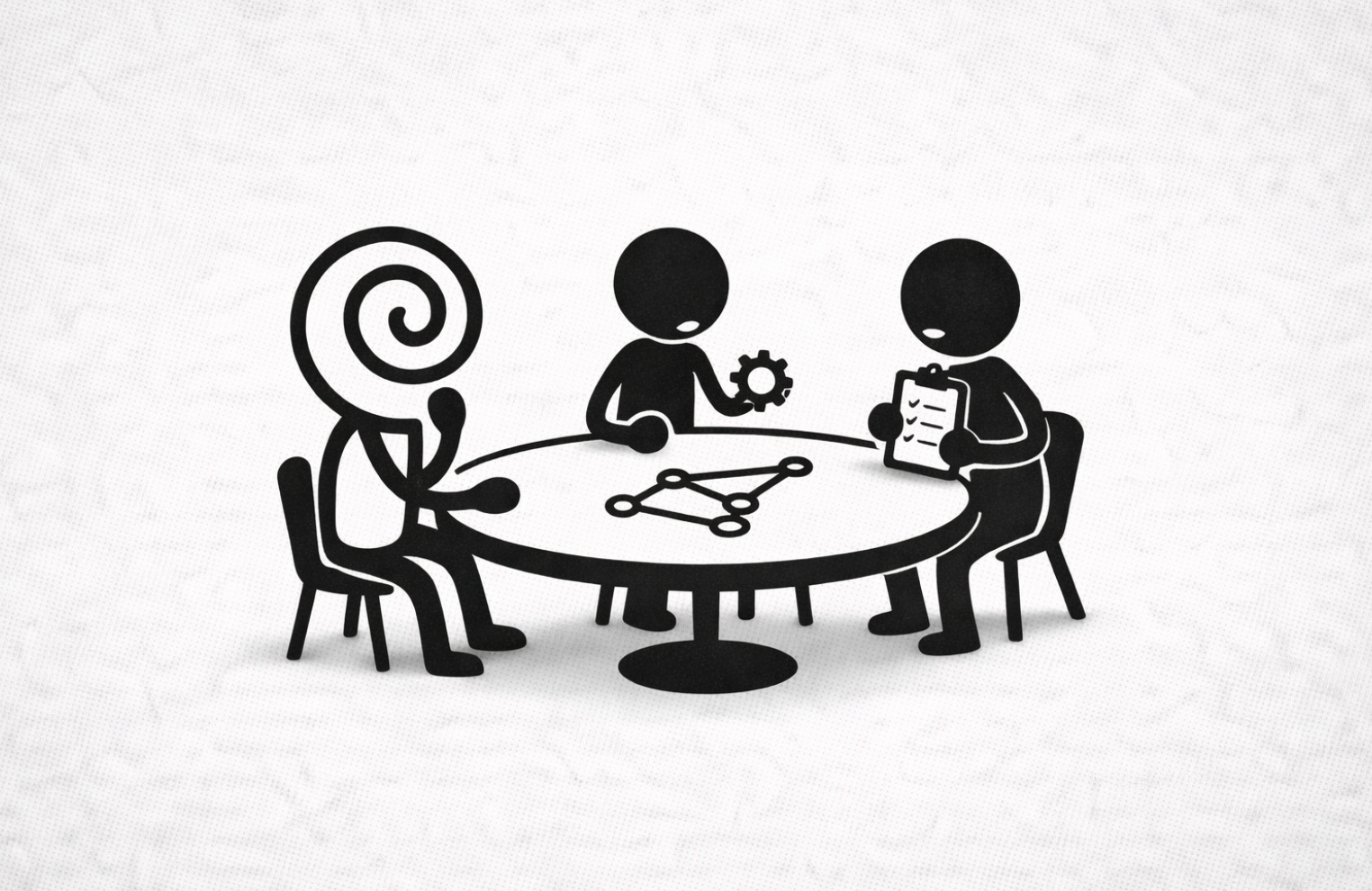
Developers test decisions when they question architecture limits.
Product tests decisions when they weigh conversion against risk.
Security tests decisions when they simulate attack patterns.
Your role is often to connect these views.
To ask the awkward question early.
To make invisible trade-offs visible.
Quality is shared ownership.
But someone still has to raise the uncomfortable scenario.
Skill Building: The Actual Path
You do not wake up able to test decisions well.
You build it.
Concrete actions:
Sit in architecture reviews even when confused.
Read incident reports from your company and others.
Pair with backend engineers to understand state storage.
Learn basic probability so you can reason about impact ranges.
Ask “why” about thresholds until you understand business reasoning.
Study past failures. Not just your own.
This is apprenticeship.
Decision testing grows from exposure.
When Stakeholders Don’t Want to Know
You raise a quantified concern.
The answer is:
“We ship on Friday.”
Now what?
You have options:
Document the risk clearly in writing.
Propose a smaller mitigation that fits the timeline.
Escalate if exposure is severe.
Align with security or another engineer who shares concern.
Accept the decision and move forward.
Sometimes you escalate and win.
Sometimes you escalate and lose.
Sometimes you become “the negative one.”
Sometimes your contract is not renewed.
This is the cost side of serious testing.
Not every organization rewards risk fluency.
You must decide how much professional risk you are willing to carry.
What If You’re Wrong?
You model a worst case.
It never happens.
Good.
Testing works under uncertainty.
You are not predicting the future.
You are identifying plausible exposure.
If your scenario does not materialize:
Was probability low?
Was mitigation added quietly?
Did your model overestimate likelihood?
Refine your judgment.
Credibility comes from being transparent about uncertainty.
Not from being dramatic.
Recognizing When You’re Ignored
There is a difference between timing and dismissal.
If stakeholders ask follow-up questions, they are processing.
If they restate your concern in their own words, they are listening.
If they change topic without acknowledgment, you are being dismissed.
When dismissal happens repeatedly, you have information about culture.
That matters for your career decisions.
The Reality
Feature-focused testing reduces defects.
Decision-focused testing reduces surprise.
Feature testing confirms behavior.
Decision testing clarifies exposure.
Both matter.
But if you want to influence outcomes, you must move beyond verifying that something works.
Ask what happens because it works this way.
Then decide how far you are willing to go to make that visible.
Further Reading
If you found this useful, you might also enjoy these articles:


If you found this helpful, stay connected with Life of QA for more real-world testing experiences, tips, and lessons from the journey!